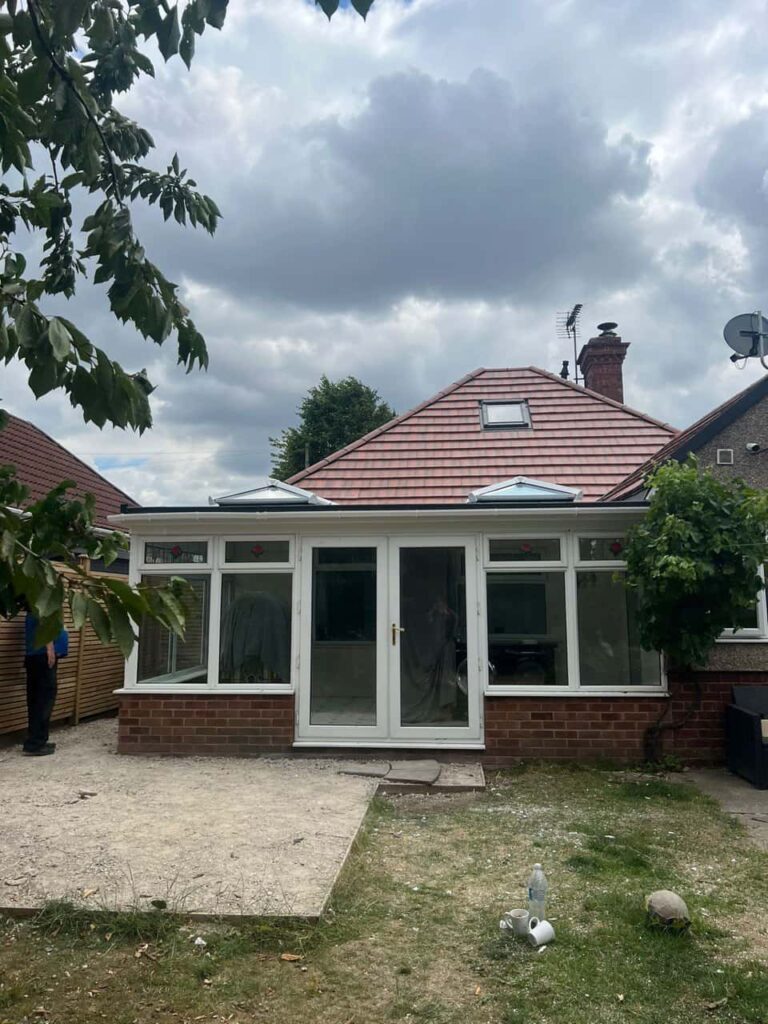
A pitched roof should have clean, straight lines that reflect the structural integrity beneath it. When sections begin to dip or sag, it is often a sign that something within the roof structure is under stress. In Royal Wootton Bassett, Wiltshire, early identification of sagging is essential to prevent more extensive structural issues.
At Royal Wootton Bassett Roofing, we regularly assess pitched roofs showing signs of movement or unevenness and advise homeowners on the safest course of action.
Age-related timber fatigue
Many pitched roofs rely on timber rafters and supporting beams. Over time, timber can weaken due to prolonged load, minor moisture exposure or natural ageing.
As structural timbers gradually lose strength, they may begin to bow slightly under the weight of tiles and roofing materials, leading to visible sagging along the roofline.
Excessive weight on the roof structure
Pitched roofs are designed to support a specific load. Additional weight from multiple layers of roofing materials, accumulated debris or long-term water retention can increase strain on the framework.
When the underlying structure is forced to bear more weight than originally intended, sagging may develop in isolated sections.
Water damage and prolonged moisture exposure
Water is one of the most common causes of structural weakening. Persistent leaks, poor ventilation or damaged underlay can allow moisture to penetrate the roof structure.
Over time, this can compromise timber strength, leading to softening or distortion that results in sagging areas.
Inadequate or deteriorating support
If internal supports such as purlins or bracing elements become weakened or shift out of position, the roof’s load distribution changes. Without adequate support, rafters may begin to dip.
This is particularly noticeable in larger spans where the roof structure relies heavily on internal reinforcement.
Poor previous workmanship
In some cases, sagging can stem from incorrect installation techniques or insufficient structural support during earlier roofing work. If materials are not installed evenly or supports are not properly aligned, stress points can develop.
Over time, these weaknesses become more visible as the roof structure responds to daily environmental pressures.
Structural movement within the property
Changes within the building itself can also affect the roof. Minor settlement or movement in walls may alter how weight is distributed across the roof frame.
While this does not always indicate a major structural issue, it can contribute to visible sagging if left unchecked.
Why early action matters
Roof sagging rarely corrects itself. What begins as a slight dip can progress if the underlying cause is not addressed. Early professional assessment allows the issue to be stabilised before more extensive structural intervention becomes necessary.
Prompt attention helps preserve the integrity of both the roof and the property as a whole.
Conclusion
Pitched roof sagging can result from ageing timbers, excess weight, moisture damage, weakened supports or structural movement. Identifying the cause early is essential to prevent further deterioration and maintain the safety of the property.
Royal Wootton Bassett Roofing provides professional pitched roof assessments and repairs across Royal Wootton Bassett, Wiltshire. If you notice uneven rooflines or visible sagging, expert evaluation can ensure the problem is properly understood and resolved before it progresses.
Call us on: 01793 569 596
Click here to find out more about LJ Roofing Royal Wootton Bassett.
Click here to complete our contact form and see how we can help with your roofing needs.