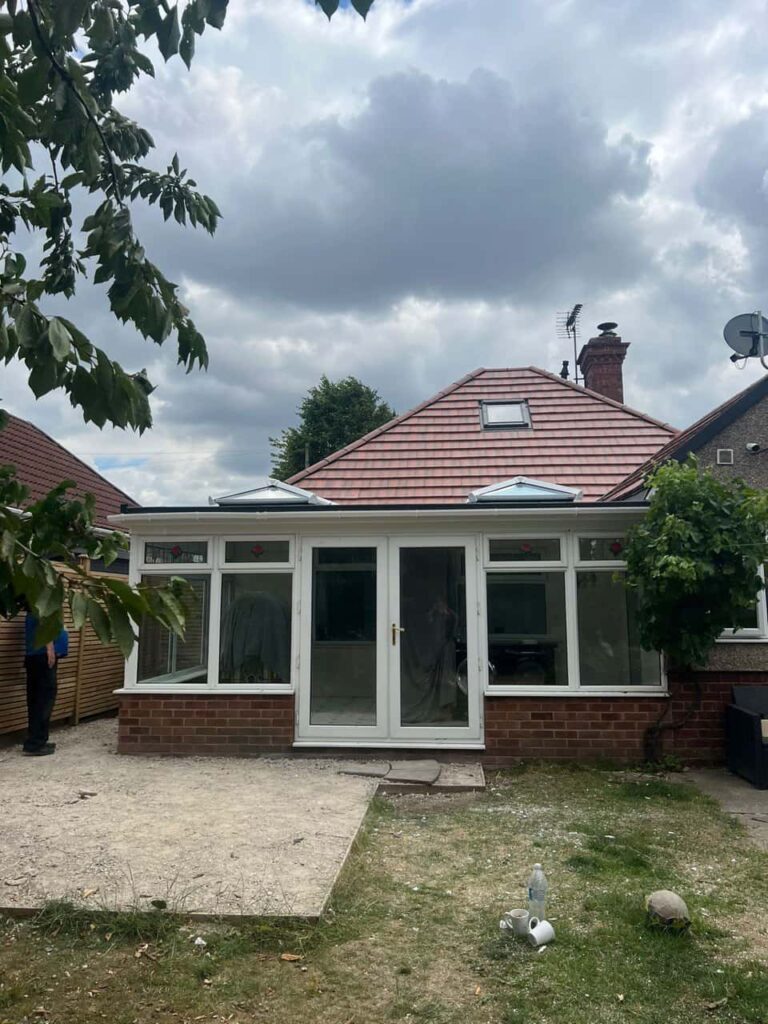
When maintaining the condition of your roof, it’s easy to assume that damaged or leaking areas can be fixed simply by replacing a few slates. However, not all roof issues originate from the slates themselves. In many cases, water ingress, damp patches, or internal staining are caused by failing flashings rather than damaged tiles. Understanding the difference — and knowing when to replace flashings instead of just repairing slates — is essential to keeping your roof watertight and structurally sound.
At LJ Roofing Royal Wootton Bassett, we’ve worked on a wide range of roofs across Royal Wootton Bassett and Wiltshire, helping homeowners identify the true cause of leaks and prevent ongoing issues through professional roofing repairs and maintenance.
Understanding the Role of Roof Flashings
Flashings are a crucial yet often overlooked part of any roof. Typically made from lead or other durable metals, they seal the joints and transitions where different roof sections meet — such as around chimneys, skylights, valleys, and along roof edges. Their primary function is to direct water away from vulnerable areas and ensure a watertight seal.
When flashings deteriorate, water can seep beneath the roof coverings, leading to leaks, rot, and structural damage. Because these issues can mimic the symptoms of broken or slipped slates, they’re sometimes mistaken for slate damage. This is why a thorough inspection from a professional roofing company like LJ Roofing Royal Wootton Bassett is essential before carrying out repairs.
Signs of Flashing Damage
Damaged or deteriorating flashings can be difficult to spot from ground level, but there are several key signs to look out for:
- Water stains on ceilings or loft timbers: A common indicator that water is entering at a joint rather than through the main roof covering.
- Cracks or splits in lead or metal flashings: These can develop due to weathering, corrosion, or movement of the roof structure over time.
- Loose or missing sections of flashing: Poor installation or storm damage can cause flashings to pull away from the adjoining surface.
- Efflorescence or staining on exterior brickwork: This suggests moisture penetration where flashings meet walls or chimneys.
If any of these symptoms are present, simply replacing slates may not solve the problem — because the underlying cause lies elsewhere.
Slate Repairs vs Flashing Replacement
It’s important to understand when a slate repair is sufficient and when a flashing replacement is the right solution.
When Slate Repairs Are Enough
Replacing slates is ideal if:
- A few slates are cracked, slipped, or missing due to wind damage.
- The roof structure and flashings are otherwise sound.
- Water ingress is limited to one small area that aligns with visible slate damage.
In these cases, the problem is surface-level, and swapping out damaged slates can restore full protection.
When Flashings Need Replacing
If the issue stems from failing seals or joints, however, no amount of slate replacement will stop the leak. Flashing replacement is typically required if:
- The leak originates near a chimney, valley, or skylight.
- Water enters even though all slates appear intact.
- The existing flashing is cracked, lifting, or heavily corroded.
- Repairs have been made before, but leaks persist.
Replacing the flashings ensures that all vulnerable joints are properly sealed, preventing moisture from penetrating beneath the slates and damaging the underlying structure.
Why Flashing Damage Can Be Misleading
Flashings often fail gradually over time, and the resulting leaks can travel along beams or insulation before becoming visible. This means the water may appear to be coming from a completely different section of the roof — often leading homeowners to assume the slates are the problem.
At LJ Roofing Royal Wootton Bassett, we always carry out detailed roof inspections to trace the exact source of the issue before recommending any repairs. This prevents unnecessary work and ensures that the true cause is addressed for lasting protection.
The Importance of Replacing Flashings Professionally
Flashing replacement is a skilled job that requires precision. Each section must be properly seated, shaped, and sealed to accommodate the natural expansion and contraction that occurs with temperature changes.
When installed incorrectly, flashings can lift or split, allowing water to re-enter — sometimes causing worse problems than before. Our team at LJ Roofing Royal Wootton Bassett uses high-quality materials and expert fitting techniques to guarantee a long-lasting, weatherproof finish that complements your existing roof.
Benefits of Replacing Damaged Flashings
Replacing old or damaged flashings offers a number of practical and long-term benefits:
- Prevents recurring leaks: Properly installed flashings stop water ingress at the source.
- Extends roof lifespan: By protecting structural elements from moisture damage, you reduce the need for major repairs later.
- Preserves roof appearance: New flashings enhance the overall look of your roof, especially when paired with well-maintained slates.
- Improves energy efficiency: A watertight roof reduces heat loss through damp or damaged areas.
Combining Slate and Flashing Repairs
In many situations, the best approach involves both slate and flashing repairs. For example, if a chimney flashing has failed and caused nearby slates to shift or crack, both elements will need attention. Replacing flashings while repairing or realigning surrounding slates ensures a complete, watertight seal and restores the roof’s original integrity.
LJ Roofing Royal Wootton Bassett provides comprehensive repair services that address all components of your roof — from leadwork and flashings to slate and tile replacement — ensuring a consistent and durable finish.
How to Tell Which Option You Need
The best way to determine whether you need slate repairs, flashing replacement, or both is through a professional inspection. Our roofers at LJ Roofing Royal Wootton Bassett examine every aspect of your roofing system to pinpoint the source of any issue. We check for cracks, lifting, and corrosion in flashings, as well as assess the condition of slates, battens, and underlay to ensure your roof is performing as it should.
By understanding the relationship between flashings and the rest of the roof, we can recommend the most cost-effective and reliable solution to protect your property for years to come.
Why Choose LJ Roofing Royal Wootton Bassett
LJ Roofing Royal Wootton Bassett is trusted throughout Royal Wootton Bassett and Wiltshire for delivering professional roofing services that combine expertise, quality materials, and attention to detail. Whether you require slate repairs, flashing replacement, or a full roof inspection, our team provides a thorough and reliable service that ensures long-term protection for your home.
We take pride in identifying the root cause of roofing problems rather than offering temporary fixes. Every project is approached with the goal of providing lasting value and peace of mind for our customers.
Conclusion
While slate repairs are often the go-to solution for visible roof damage, they may not always address the true cause of water ingress. Damaged or deteriorating flashings are a common culprit behind persistent leaks, especially around chimneys, valleys, and roof edges.
LJ Roofing Royal Wootton Bassett offers professional inspections and repairs throughout Royal Wootton Bassett and Wiltshire, ensuring your roof receives the precise care it needs. Whether it’s repairing slates, replacing flashings, or restoring overall roof integrity, our experienced team delivers dependable solutions that keep your home secure and weatherproof for the long term.
Call us on: 01793 569 596
Click here to find out more about LJ Roofing Royal Wootton Bassett.
Click here to complete our contact form and see how we can help with your roofing needs.